
Growing soft fruit in your own garden is a delight: every summer you can pick the juiciest berries, raspberries, and blackberries straight from the bush. Row cultivation keeps your plants organized, healthy, and productive. In our own row cultivation setup, we include thornless blackberries, tayberries (now also available thornless), Japanese wineberries, and black raspberries, among others. These are varieties that lend themselves perfectly to this method of growing.
In this blog, I will show you step-by-step how to set up a soft fruit row: from preparing the soil and planting the bushes to caring for them and, of course, harvesting in the summer.
📹 An extra treat: I’ve added videos where you can watch the setup, planting, and harvesting process.
What is soft fruit row cultivation?
Row cultivation means planting your soft fruit in neat rows, often supported by wires or stakes. This ensures better organization, healthier plants, and a better harvest. It makes pruning, maintenance, and picking much easier than having loose bushes scattered throughout the garden.
Suitable crops include red currants, blueberries, and gooseberries. But especially varieties that trail or require support, such as thornless blackberries, tayberries, Japanese wineberries, and black raspberries, do exceptionally well in a row.
Soil preparation
Good soil preparation plays a major role in the success of your soft fruit row cultivation. These are the steps we followed ourselves:
Clearing weeds
Ensure the strip where you are going to plant is free of grass and stubborn weeds. You can do this by weeding manually, but also by covering the soil for a year with, for example, agricultural plastic or cardboard. After a season, the soil is clean and airy, and you will have far fewer issues with competing roots.
Adding compost
Before planting, work a thick layer of compost into the soil. This improves the soil structure, increases organic matter content, and gives the young plants a healthy start.
Planting
Plant the soft fruit varieties in a straight row, with the correct spacing between the plants (depending on the variety). Also, consider support structures if you are going to train crops like thornless blackberries, tayberries, or Japanese wineberries. Later in this blog, you will find a video and clear text instructions where I show you step-by-step how we handled this.
Covering the soil: green manure or mulch
- Under the rows of climbing plants (such as the Japanese wineberry and the tayberry), we opted for a low-growing green manure with plenty of clover. This provides a vibrant, covered soil that fixes nitrogen and offers hardly any competition to the main crops.
- Under rows of independent bushes (such as honeyberries and apple trees), we prefer to work with a mulch layer. For this, we use a combination of cardboard, comfrey leaves, sheep wool, and straw. This keeps the soil moist, nourishes soil life, and suppresses weeds.
Through this approach, the soil remains fertile and weed-free, while your soft fruit plants can develop at their own pace.

Setting up and planting the rows
Once the soil is prepared, you can begin setting up and planting the rows. This requires some work in the beginning, but you will enjoy it for years to come.
- Placing stakes: place sturdy stakes every 4 to 5 meters in the row. This forms the basis of your support system. For this, we use high-quality 250 cm Robinia stakes, which you can find here: Robinia stake.
- Stretching wires: stretch horizontal wires between the stakes. These serve as support for the plants when they start to produce long runners, such as with the Japanese wineberry, tayberry, or thornless blackberry. It prevents everything from growing into a tangled mess and makes pruning and harvesting much easier.
- Spacing plants: plant one shrub every 1 meter. That might look a bit sparse at first, but from the second growing year, new stems will form in abundance. In our soft fruit videos, you can see how quickly the rows fill up.
- Planting: dig a hole large enough for the roots, place the plant at the same depth as it was in the pot, and press the soil down firmly. Water generously afterwards so the plant can establish itself well.
- Supporting and training: gently tie young shoots to the bottom wire. As the plants grow, you can train new shoots along the higher wires.
What you need to get started:
Care and maintenance of soft fruit in row cultivation
After planting, the real work begins: ensuring your soft fruit grows strong and healthy. Fortunately, row cultivation requires some attention primarily in the first few years; after that, you benefit from a stable system for years.
Pruning
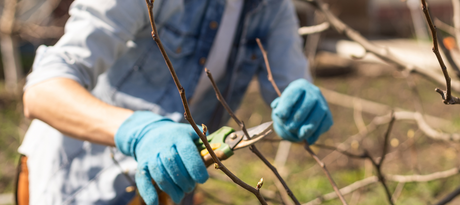
Pruning is essential to keep your soft fruit healthy and productive. First, remove any dead or weak branches so the plant can put its energy into healthy shoots. For varieties like the thornless blackberry, tayberry, and Japanese wineberry, you prune away the old stems after harvesting. The young shoots formed in that same year are then trained along the wires so they bear fruit the following year.
Watering
In the first weeks after planting, the young bushes need regular water to establish properly. Afterwards, soft fruit usually manages well on its own, but during dry summers, extra watering is necessary. A soaker hose or drip irrigation system along the rows is ideal: it saves time, provides exactly enough water, and prevents wet foliage, which reduces the risk of fungal diseases.
Covering the soil
A covered soil is a healthy soil. Under our climbers, such as Japanese wineberry and tayberry, we sow a low-growing green manure with plenty of clover. This provides nitrogen to the soil, suppresses weeds, and keeps the soil covered. For rows with individual bushes, such as honeyberries and apple trees, we use mulch material. We lay down a combination of cardboard, comfrey leaves, sheep wool, and straw. That keeps the soil moist, feeds the soil life, and gives weeds little chance.
Fertilization
Soft fruit loves a moderate but constant supply of nutrients. In the spring, we apply a handful of compost or organic fertilizer. Over-fertilizing is unnecessary; there is a risk that you will primarily stimulate leaf growth instead of fruit.
Checking the support
Finally, it is important to check every year if the stakes and wires are still secure. As the plants become fuller and heavier with fruit, a lot of weight is placed on the structure. With good maintenance, you prevent everything from becoming crooked or skewed.
By giving your plants this basic care, they will grow into strong bushes and runners that provide a rich harvest year after year.
What you need to get started:
Harvesting small fruit
The best part of row cultivation is, of course, the harvest. As soon as summer arrives, the rows color up with juicy fruits. The beauty of small fruit is that the varieties follow each other, allowing you to pick for weeks on end. Here is what our harvest calendar looks like:
- Tayberry (June – July): This is the first to ripen. These long, deep-red fruits are a cross between a raspberry and a blackberry. They taste fresh and sweet and have a wonderful aroma.
- Black raspberry (July): Shortly after the tayberry comes the black raspberry. It produces compact, dark purple fruits that you can harvest in June and July. They are a bit firmer and ideal for eating fresh or processing into jam.
- Japanese wineberry (July – August): These orange-red fruits grow inside a soft, fuzzy husk. As soon as this bursts open, the berries are ripe. They have a fresh, sweet taste and are a true summer delicacy.
- Thornless blackberry (July – September): The last in line. The first blackberries start to color in July, and the harvest often continues until September. Because they are thornless, you can pick them without getting pricked.
Always pick the fruits when they are fully ripe and come off easily. It is often better to leave tayberries and blackberries for a day longer for extra flavor. For raspberries and Japanese wineberries, gently pop the berries off with your thumb and index finger without squeezing.
In the kitchen, the possibilities are endless: fresh from the bush, in yogurt, in pies and jams, or frozen for later use.
Getting started yourself
Setting up small fruit in row cultivation is an investment you will enjoy for years to come. With the right preparation, installing posts and wires, careful planting, and a little maintenance, you will be harvesting plenty of delicious fruits every summer. From the early tayberries to the last blackberries in September – your garden will provide you with a fresh harvest week after week.
After reading and watching, do you feel like setting up your own row of small fruit? In our webshop, you will find a great selection of small fruit plants and materials to get you started right away. This way, you can begin this season and pick your own first berries, blackberries, and raspberries next year.