
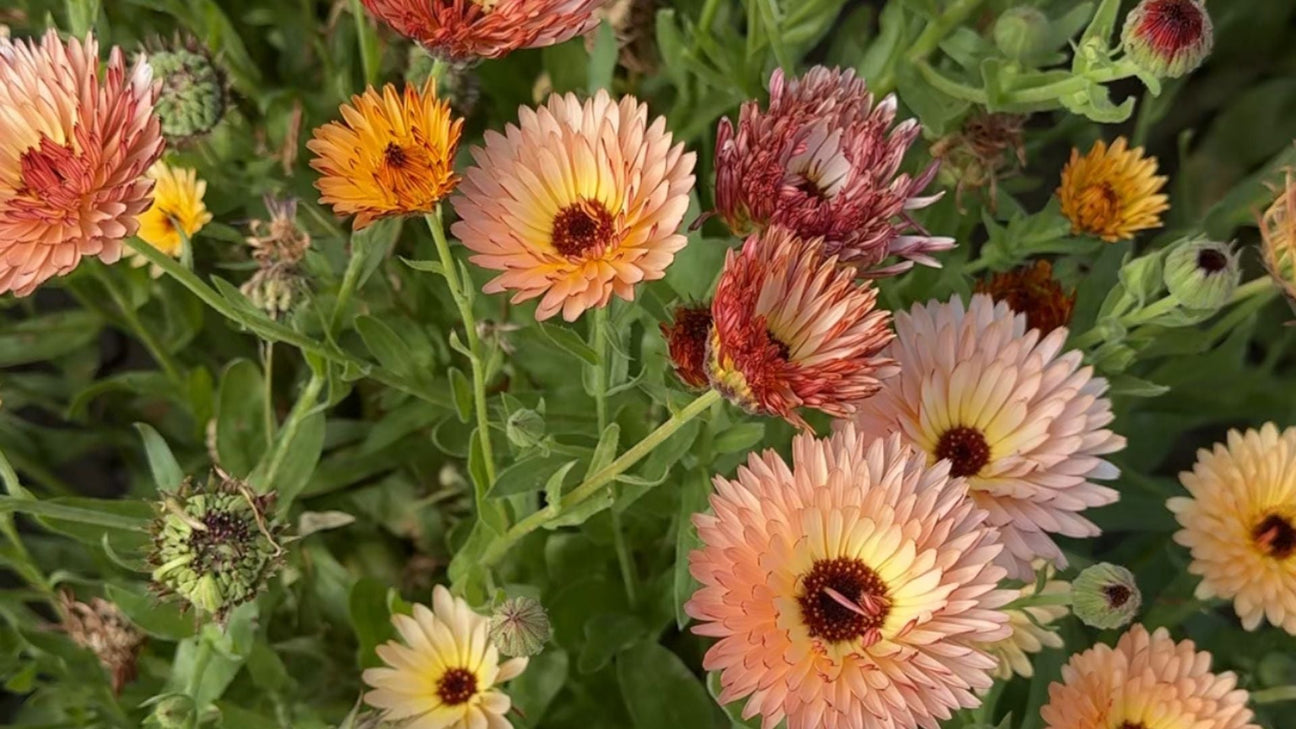
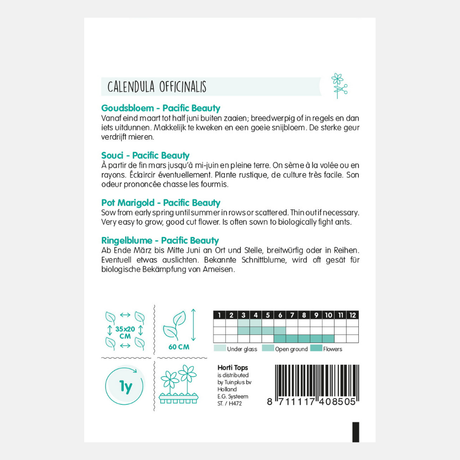
Marigold 'Pacific Beauty' - mixed
Regular price 1,63Unit priceUnavailable-
Calendula officinalis (marigold) - 'Orange Flash'
Regular price 2,72Unit priceUnavailable-
- Regular price 3,07Unit priceUnavailable
-
Marigold 'Ball's Orange' - double flowered
Regular price 1,63Unit priceUnavailable-
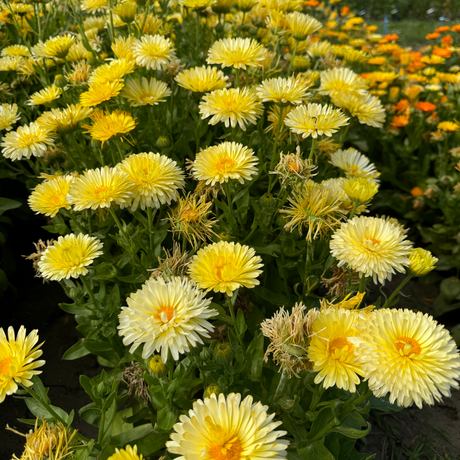
Calendula officinalis (marigold) - Double Lemon
Regular price 2,72Unit priceUnavailable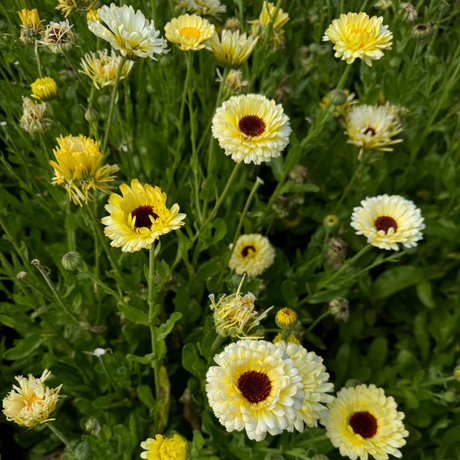
Calendula officinalis (marigold) - 'Ivory Princess'
Regular price 2,72Unit priceUnavailableCalendula -Marigold 'Ball's Orange' BIO
Regular price 3,82Unit priceUnavailable-
- Regular price 1,63Unit priceUnavailable
-
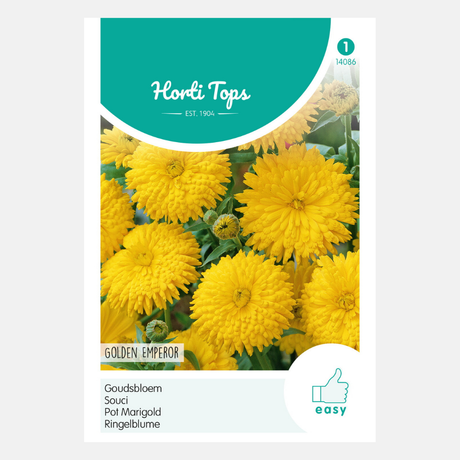
Marigold 'Golden Emperor' - golden yellow
Regular price 1,63Unit priceUnavailable-
- Regular price 1,63Unit priceUnavailable
-
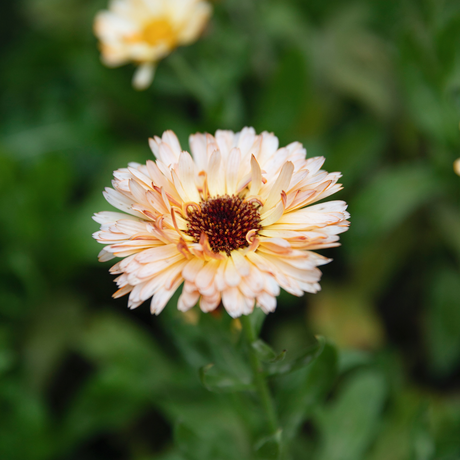
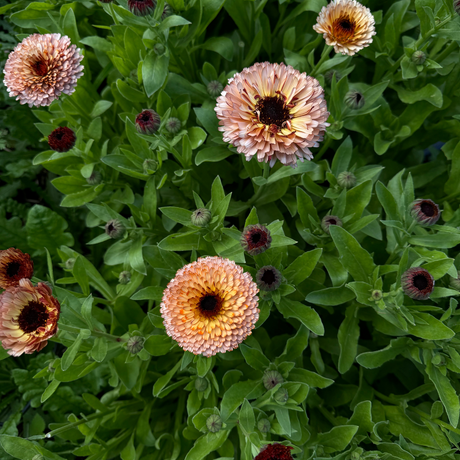
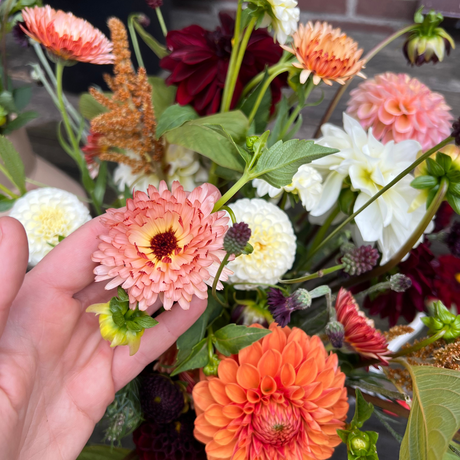
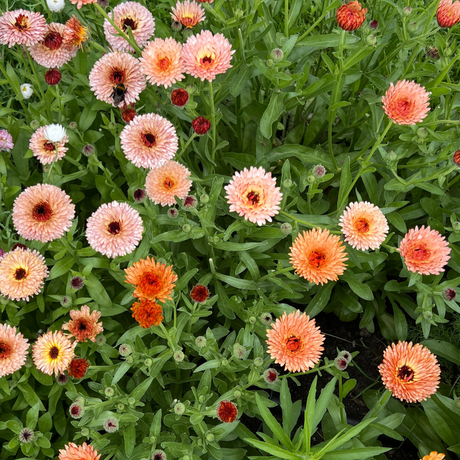
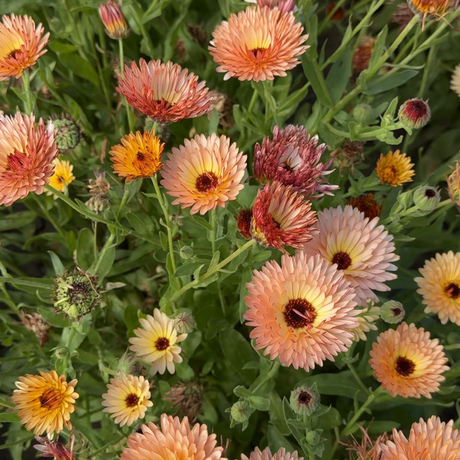
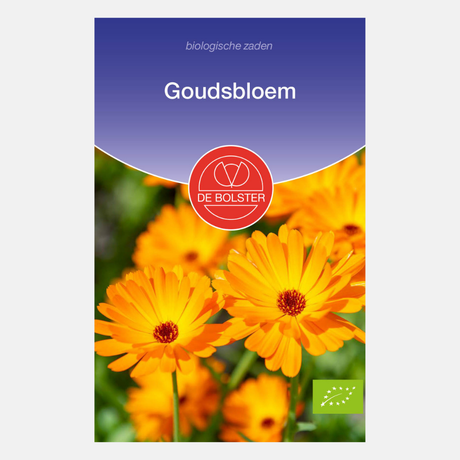
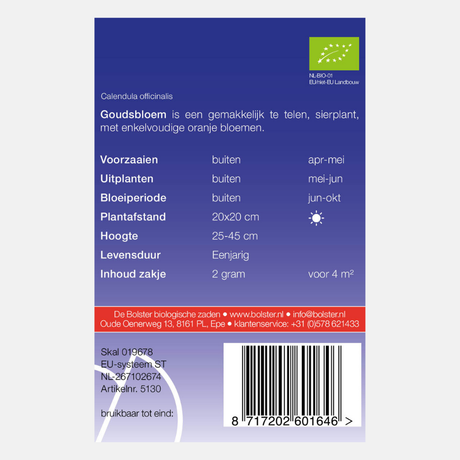
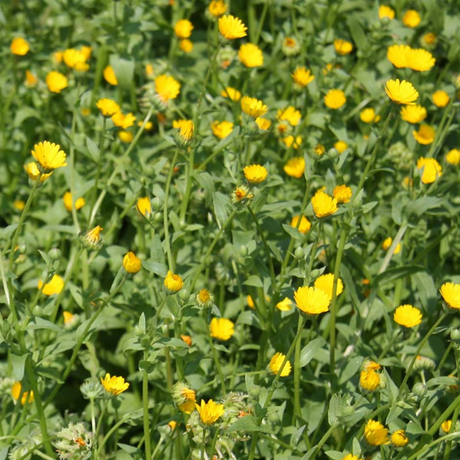
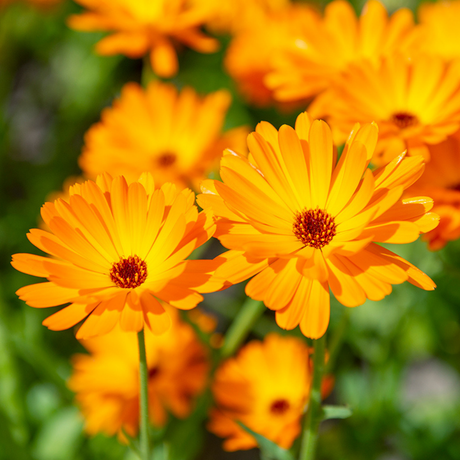
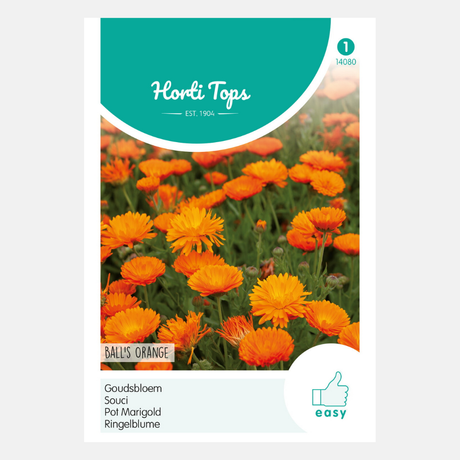
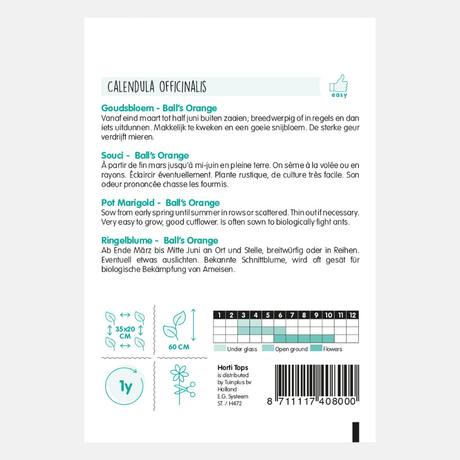
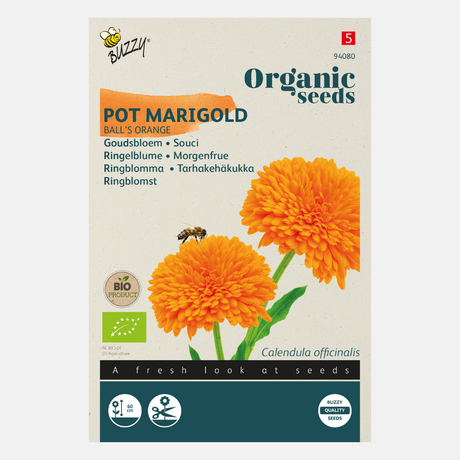
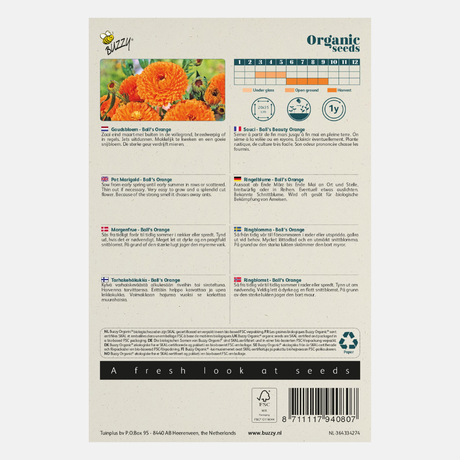
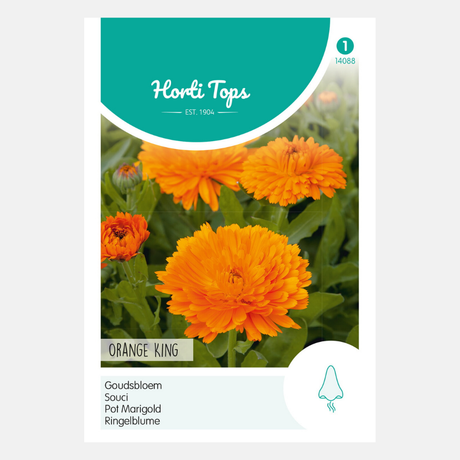
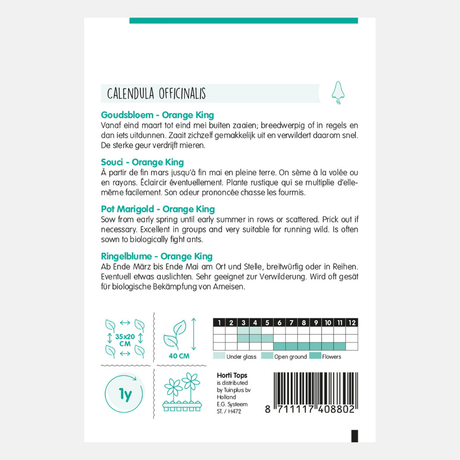
Marigold in picture
Tom sowed flowers in 2021, including marigolds.
You may also like
View all-
Sold out
Zinnia elegans - 'Peaches & Cream'
Regular price 2,72Unit priceUnavailable -
-
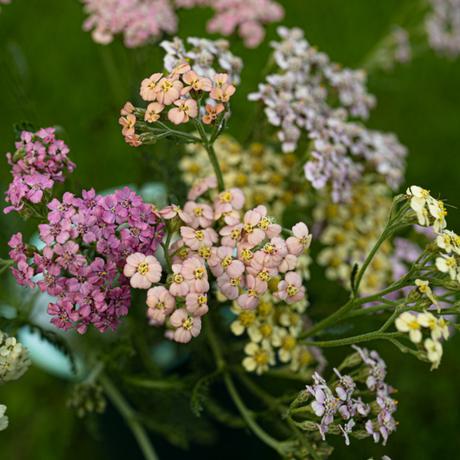
Achillea millefolium (yarrow) - 'Summer Pastels'
Regular price 2,72Unit priceUnavailable -
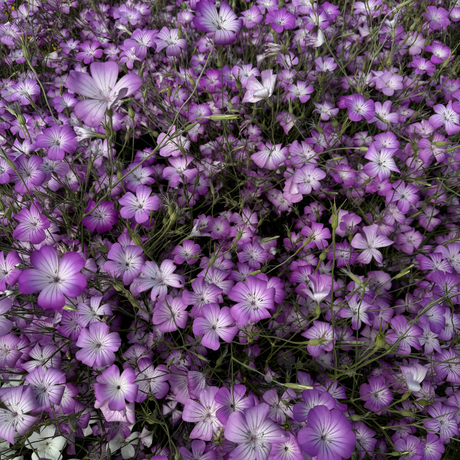
Agrostemma gracilis - 'Queen Rose'
Regular price 2,72Unit priceUnavailable -
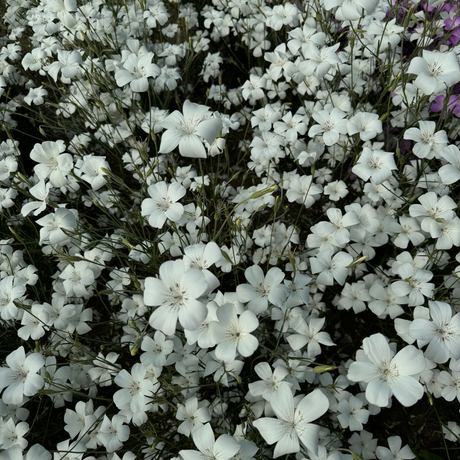
Agrostemma gracilis - 'Queen White'
Regular price 2,72Unit priceUnavailable -
Amaranthus cruentus (amaranth) - 'Hot Biscuit'
Regular price 2,72Unit priceUnavailable -
-
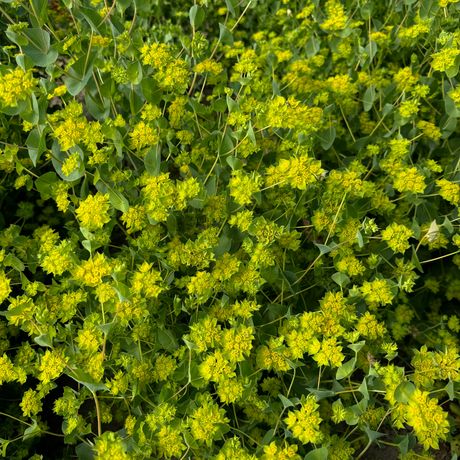
Bupleurum rotundifolium (gold screen) - Garibaldi
Regular price 2,72Unit priceUnavailable -
Calendula officinalis (marigold) - Double Lemon
Regular price 2,72Unit priceUnavailable -
Calendula officinalis (marigold) - 'Ivory Princess'
Regular price 2,72Unit priceUnavailable
Buy marigold seeds: sunny, versatile and easy to care for
Marigolds, or Calendula officinalis to give it its official name, are true ray of sunshine in the garden. You can start sowing marigold seeds early in the season to ensure strong, healthy plants. The joy of gardening with marigolds is immense: they bloom profusely, are easy to care for, and are also beneficial for the soil and bees. Marigold seeds are suitable for gardeners and beginners alike. In this guide, I'll tell you why you'll want to bring these cheerful blooms into your home (or rather, your garden), how to sow them, and which varieties from our collection are worth trying.
What is Marigold?
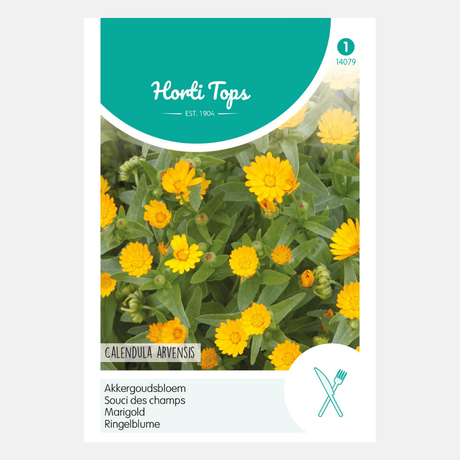
Marigold, or Calendula officinalis, is such a lovely classic that you simply must have in your garden. This cheerful flower radiates sunshine all day long with its beautiful colors ranging from deep orange to bright yellow. Not only can you brighten up your garden with it, but it also makes a wonderful cut flower in a vase on the table. The great thing is that you can actually eat the petals – they add a beautiful color and slightly spicy flavor to your salad (yes, really!). And the best part is that you can enjoy them for months thanks to their long blooming period, while they also have wonderful medicinal properties. Whether you have a border, a vegetable garden, or just a balcony, marigolds feel at home anywhere and you can do so many fun things with them.
Properties of Marigold
What makes marigolds so wonderful for your garden are all the beneficial properties they offer. You'll have a truly versatile plant: they've been known for centuries for their medicinal properties, and you can make delicious tea, salves, or infuse oils with them. And in your vegetable garden? Then marigold will become your best gardening companion – they'll keep ants and other pesky critters at bay, allowing your vegetables to grow peacefully. Plant them in nutrient-rich soil and ensure they get a nice sunny spot, and you'll be all set. With all these qualities, you'll not only have a beautiful plant but also a true fixture in your vegetable garden that complements all your other garden plants perfectly.
Why Marigolds Belong in Your Garden
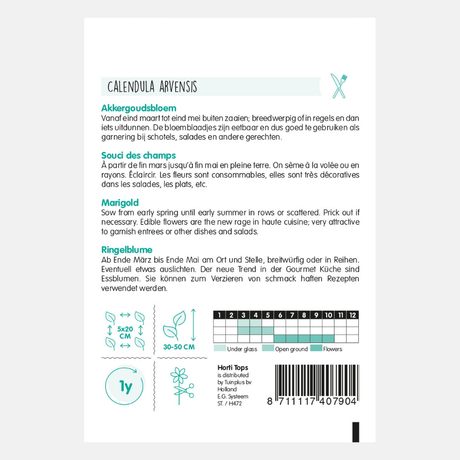
Marigolds bloom for months – from June to October – and do so without much fuss. They are healthy for the garden and for people, thanks to their medicinal properties and ecological value for bees and butterflies. Marigolds grow best in nutrient-rich, sunny conditions, but they also grow easily in less ideal locations, making them very suitable for novice gardeners. You can use marigolds in a variety of ways, such as in salads, teas, and oils. The plant is medicinal and is often used for its beneficial effects on the skin and for fighting bacteria and fungi. Marigolds have many uses, both in the kitchen and in the garden. They attract bees, butterflies, and other beneficial creatures. And they are also good for your vegetable garden, as their roots and scent repel mold and unwanted soil creatures. And as if that weren't enough: the petals are edible! Sprinkle them over a salad or use them to make oil or tea.
Annual plants
Marigolds are such a wonderfully easy annual plant—you watch them go through their life cycle for an entire season, from tiny seed to cheerful flower and back again to new seed. The beauty is that they sow themselves so easily, so you'll often be surprised by new flowers popping up naturally the following year. You can sow marigolds directly in the ground, but they also thrive in a pot on your balcony or even on a cozy windowsill. Growing them is truly simple and requires almost no care—perfect for those just starting out in the garden, but also a relaxing experience for experienced gardeners. Enjoy a garden bursting with color and health without any hassle.
Favorite varieties from the Plukkers collection
Marigold Organic (Calendula officinalis)
A classic in bright orange, organically grown. One bag produces about 4 m² of cheerfulness. Ideal for borders, pots, and even salads.
Marigold 'Orange Flash'
A deep orange hue with coppery accents. This medium-sized plant (45-60 cm) will stand out beautifully in your border or cutting garden.
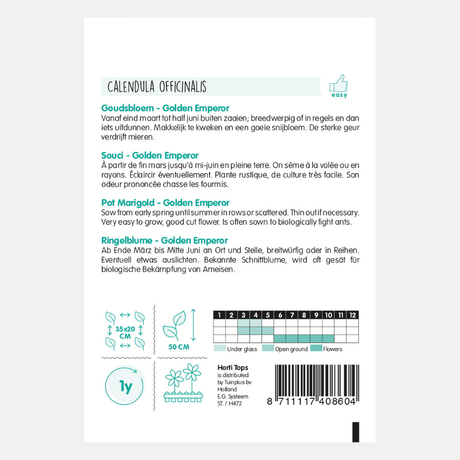
Marigold 'Golden Emperor'
A stately appearance with golden yellow flowers up to 60 cm tall. Perfect for the cutting garden and as a natural ant repellent.
Marigold 'Pacific Beauty' – mixed
A mix of cream, yellow, and orange flowers. Beautiful as a cut flower and ideal for those who love variety in their borders.
Marigold 'Ball's Orange' – double-flowered organic
Full, double blooms with a sturdy stem. A striking cut flower and organically grown – what more could you ask for?
How to sow and care for marigolds
Sowing and caring for marigolds
When to sow:
You can start sowing marigolds in March or April, depending on your preference and the conditions. Sow indoors or directly outdoors as soon as the risk of frost has passed (usually May). You can also sow marigolds in the fall, for example, in September or October, for early flowering the following season. Sowing in the summer is also possible for flowering the following year.
How to sow:
Sow the seeds on moist soil, cover them with a small amount of soil (no more than 1 cm), and keep the soil moist. After a week or two, you'll see the first green shoots. Sowing marigolds is easy, and the plants self-seed easily after flowering.
Planting out:
Once the seedlings have two true leaves, they can go into the garden. Keep the spacing about 20 cm between the plants and place them in the sun. They prefer airy, fertile soil.
Care:
Watering during dry periods, occasionally adding compost, and removing dead flowers will prolong the flowering period. Marigolds are tolerant to many conditions, but young plants may need some frost protection. Growing marigolds is not difficult, even for beginners.
Harvesting seeds:
Let a few flowers bloom and collect the seeds. Dry them briefly on a piece of paper, and you'll have a supply for next year. You can use the seeds to improve the soil or grow new plants. Despite the simple care, some things, such as protecting young plants, are important.
Where do you put them?
Marigolds are true team players. They thrive among vegetables as natural protection and combine beautifully with zinnias, salvia, or herbs. They also look stunning in pots or a cluttered flower garden. The choice of whether to plant marigolds indoors or outdoors depends on the available space and your own preferences. On a balcony or in pots, it's sometimes necessary to protect the plants from wind or cold. There are also a few practical considerations when planting marigolds. No garden? Then plant them on your balcony in a large container—success guaranteed.
Why buy marigold seeds from Plukkers?
Our seeds are organic, tested for germination, and free of unnecessary additives. Each packet is filled with high-quality seeds and comes with clear instructions. Our product is highly rated by customers. Have questions or want to place an order? Feel free to email us. One packet of marigold seeds will give you meters of summer fun—and who knows, maybe even some flowers for your plate.