
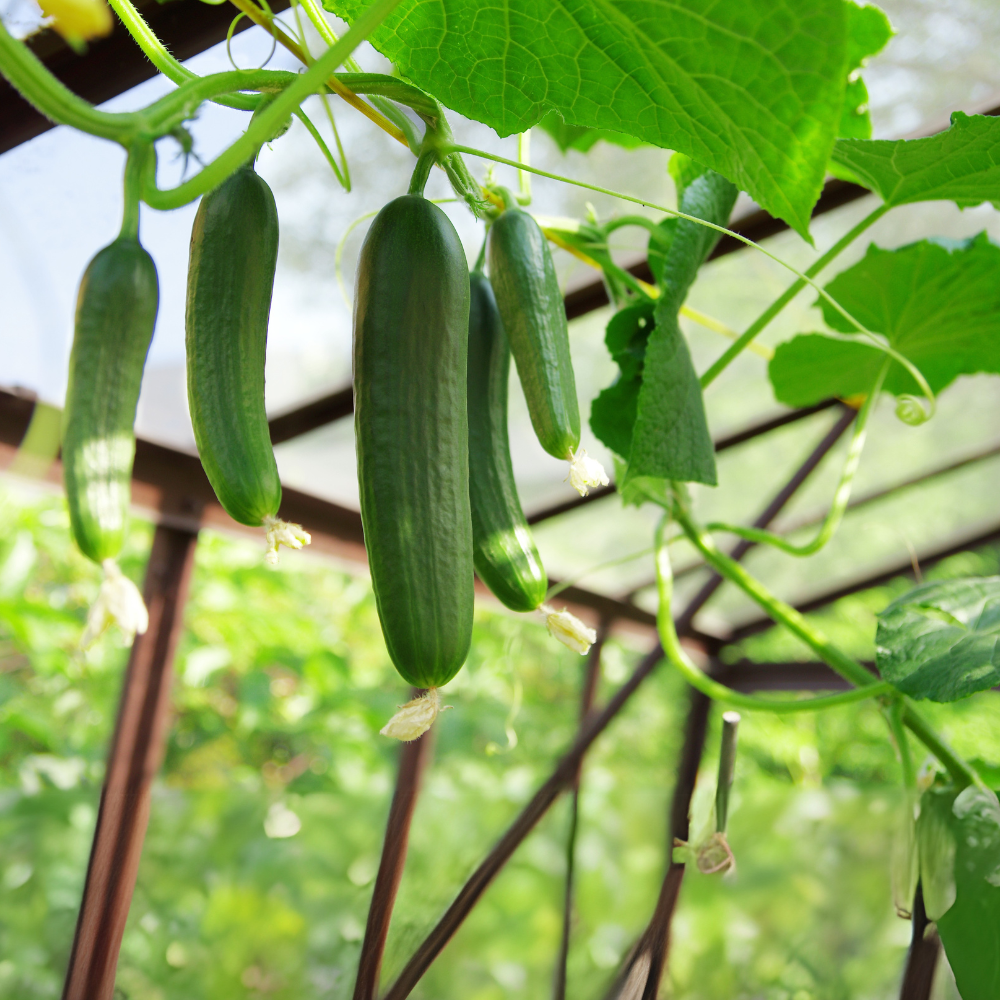
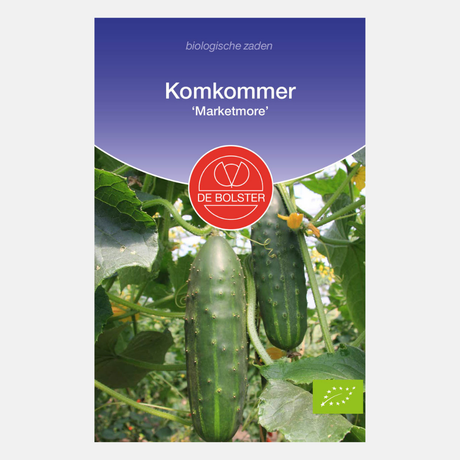
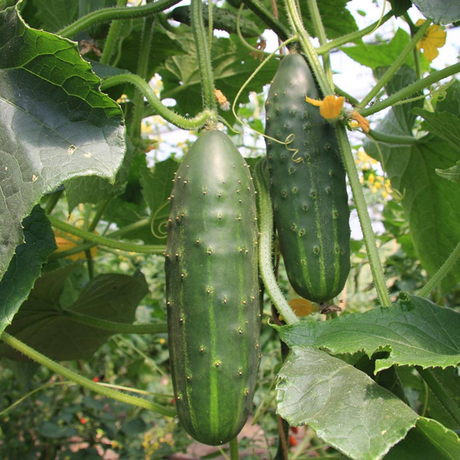
Cucumbers 'Hoffmann's Johanna'
Regular price 2,14Unit priceUnavailable-
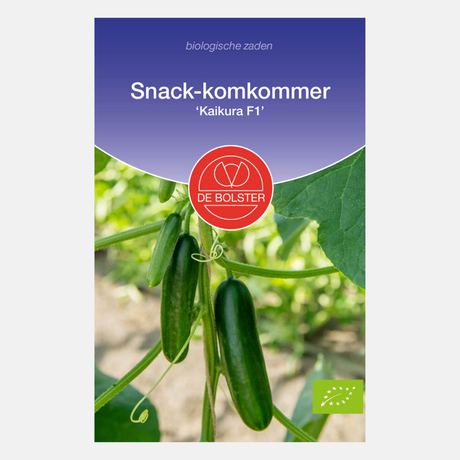
Snack cucumber 'Kaikura F1' BIO
Regular price 5,46Unit priceUnavailable-
- Regular price 6,40Unit priceUnavailable
-
- Regular price 5,65Unit priceUnavailable
-
Cucumber 'Telegraph improved' BIO
Regular price 3,28Unit priceUnavailable-
- Regular price 2,14Unit priceUnavailable
-
- Regular price 3,28Unit priceUnavailable
-
- Regular price 2,58Unit priceUnavailable
-
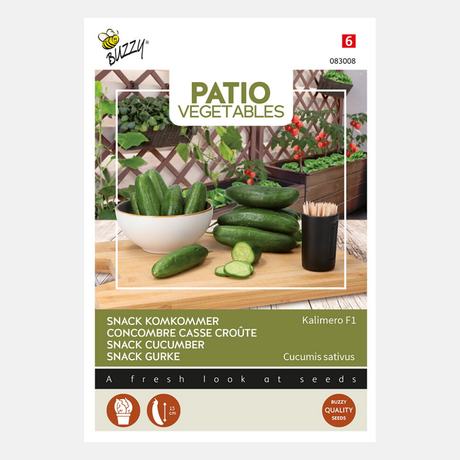
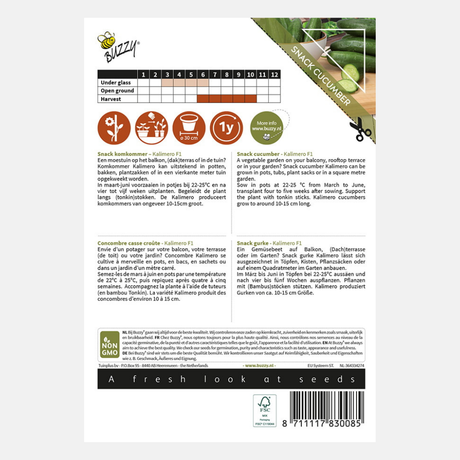
Snack cucumber 'Kalimero' F1 - suitable for pots
Regular price 4,61Unit priceUnavailable-
- Regular price 3,28Unit priceUnavailable
-
- Regular price 2,58Unit priceUnavailable
-
- Regular price 4,07Unit priceUnavailable
-
- Regular price 3,72Unit priceUnavailable
-
Cucumber 'Long Maraîcher' ORGANIC
Regular price 4,07Unit priceUnavailable-
- Regular price 3,28Unit priceUnavailable
-
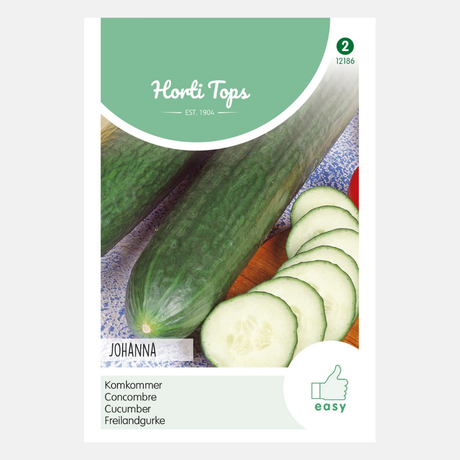
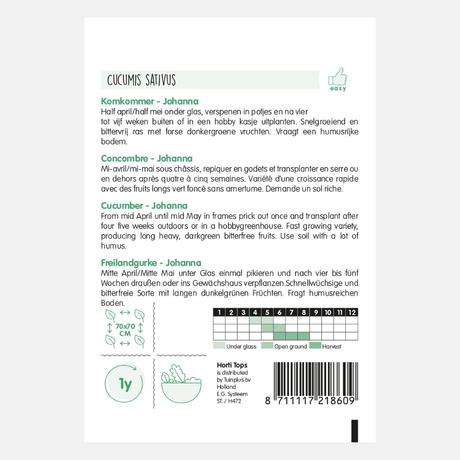

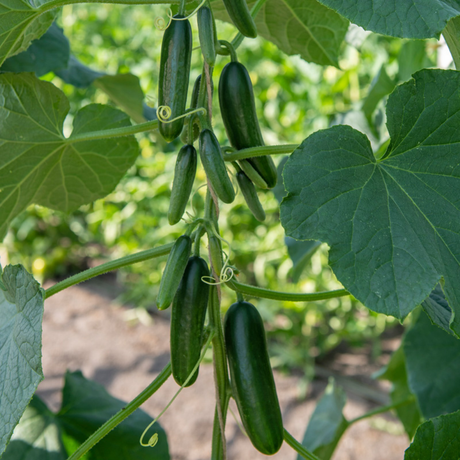
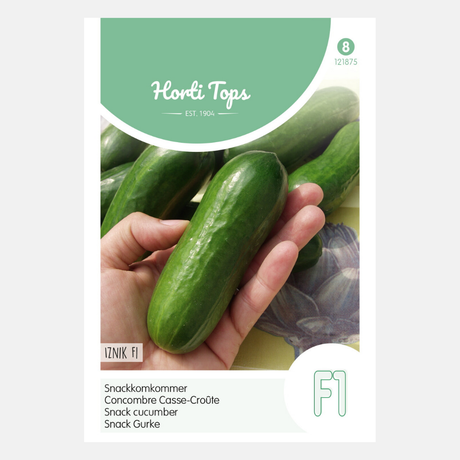
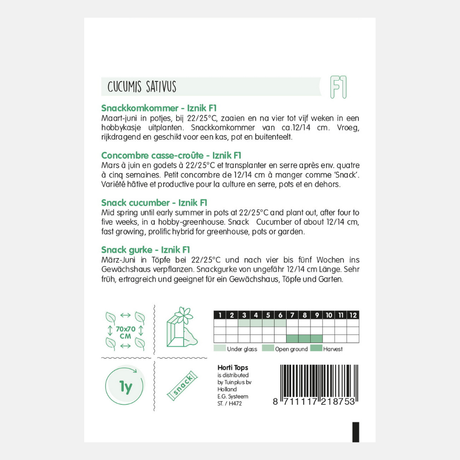
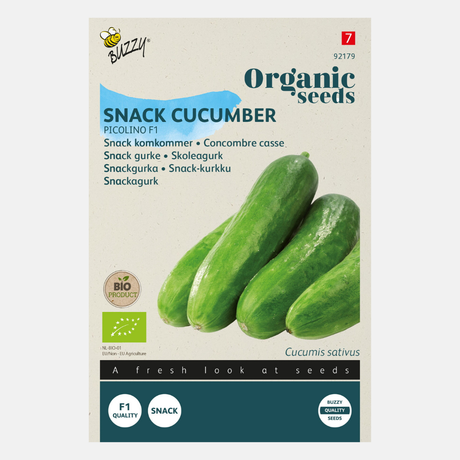
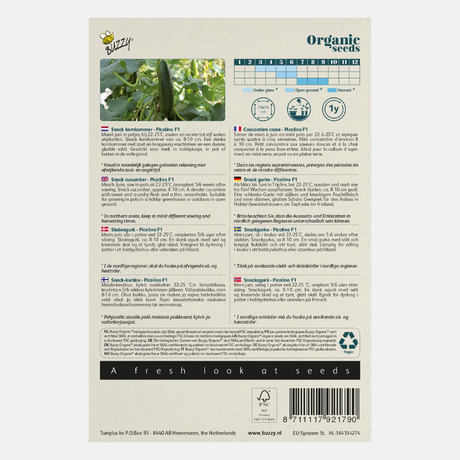
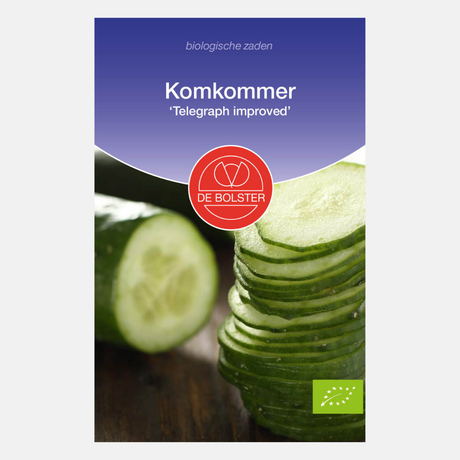

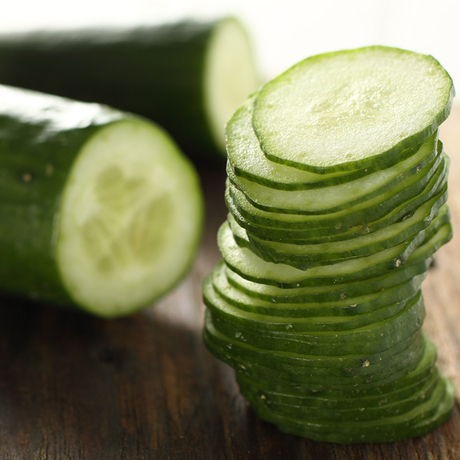
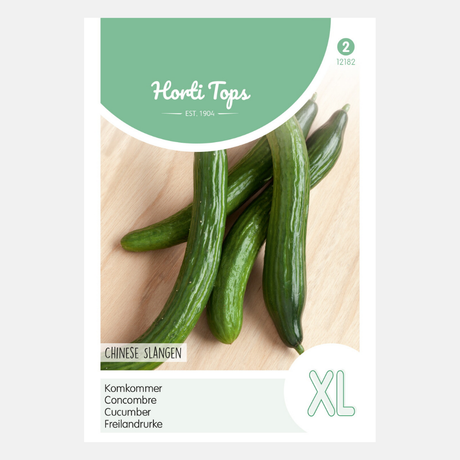


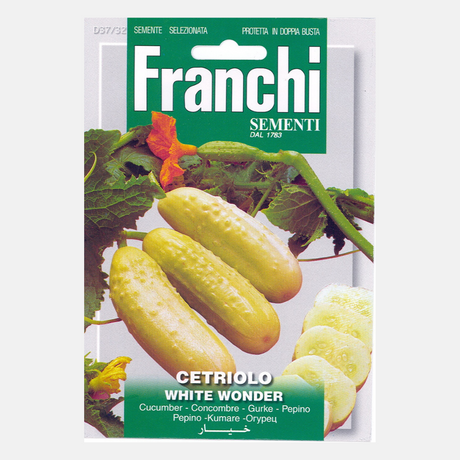
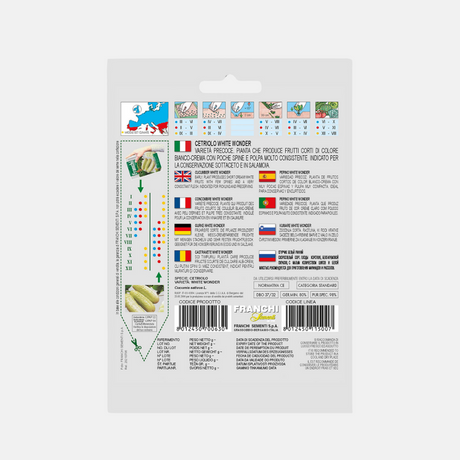
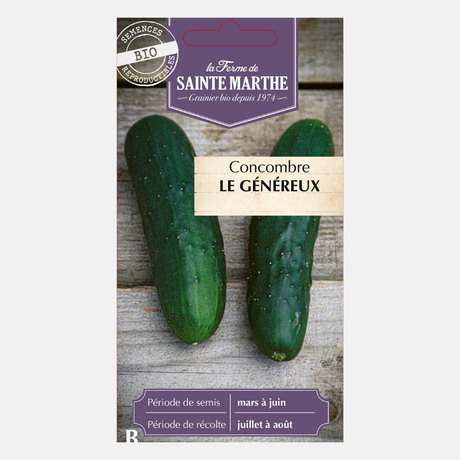
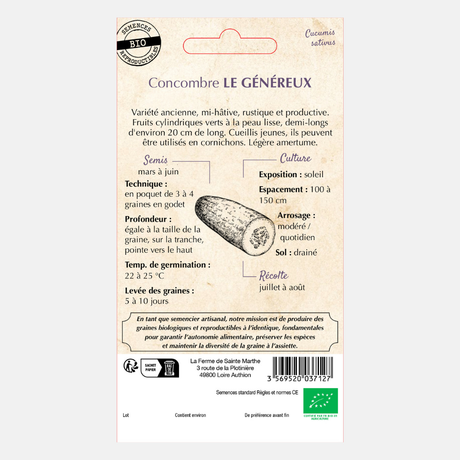
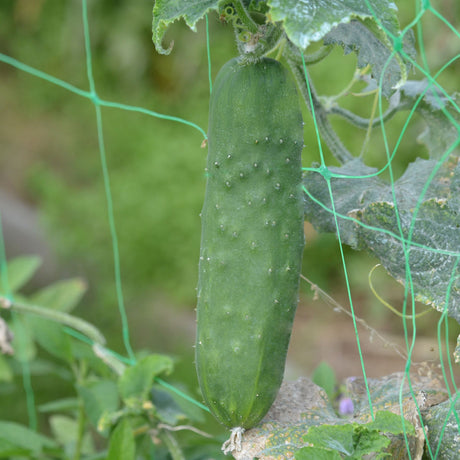
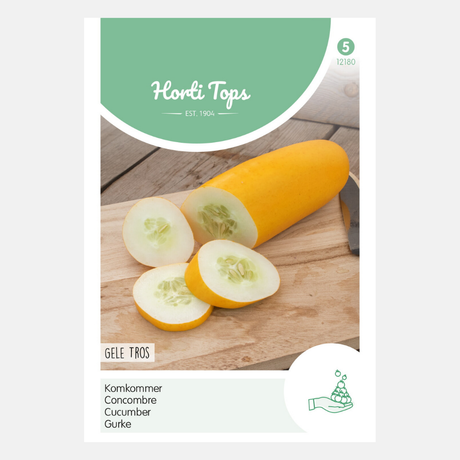
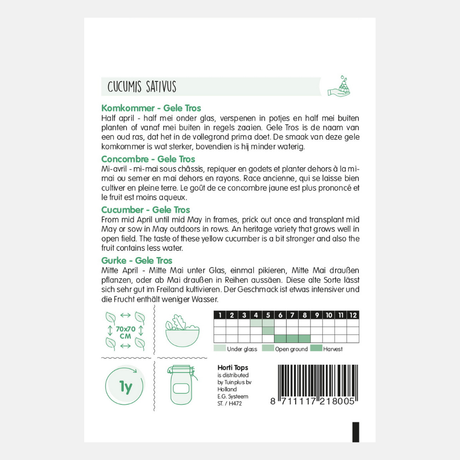
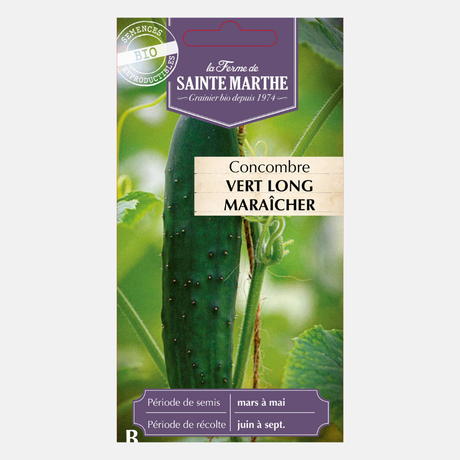
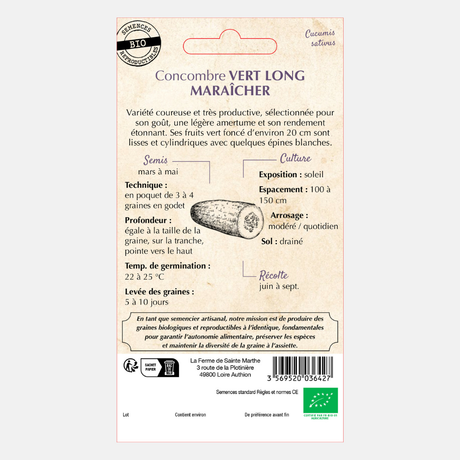
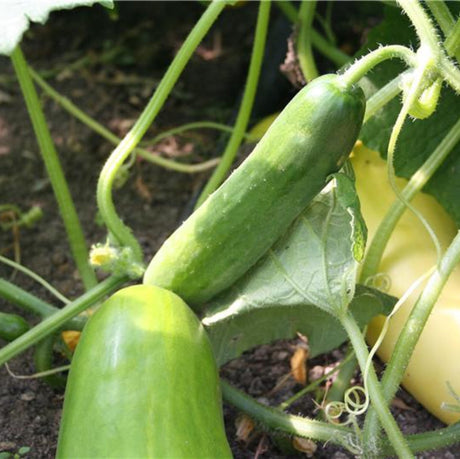
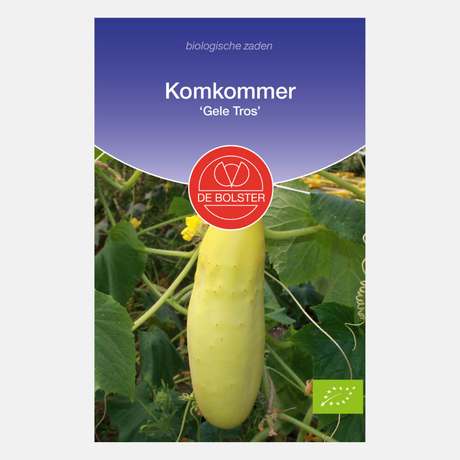

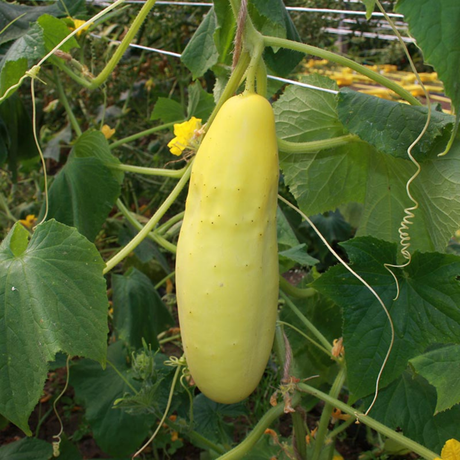
Growing cucumbers in pictures
Watch this (old) video to see how Tom pre-sows cucumbers, among other things.

Growing Guide: Growing Cucumbers from Seeds - 16 Tips for a Successful Cucumber Garden
Our other vegetable seeds
View all-
Regular price 3,07Unit priceUnavailable
-
-
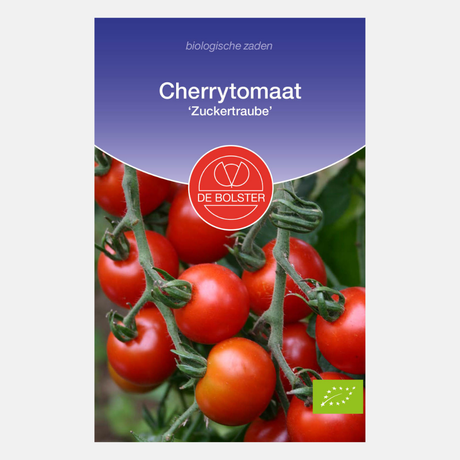
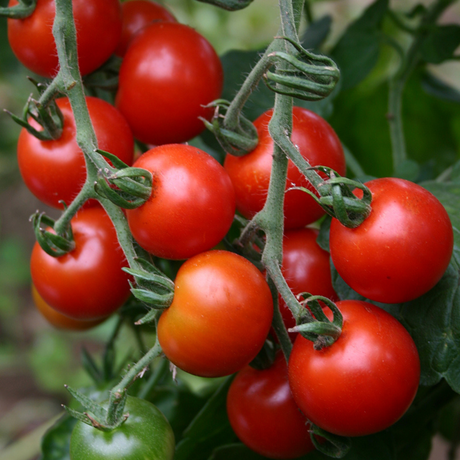
Cherry tomato 'Zuckertraube' BIO
Regular price 3,28Unit priceUnavailable -
-
Sold out
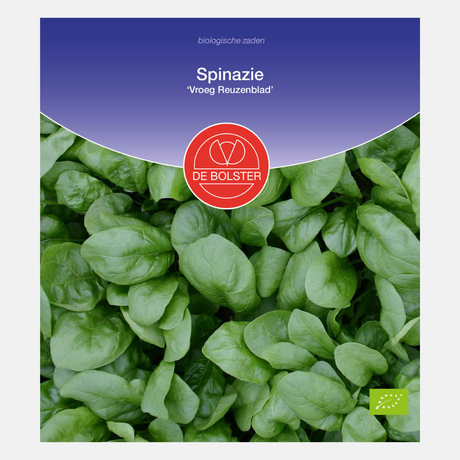
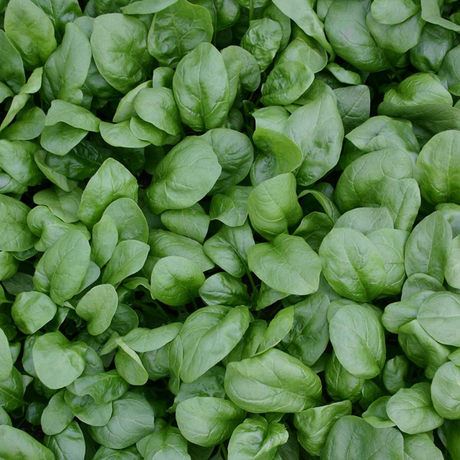
Spinach 'Early Giant Leaf' BIO
Regular price 3,28Unit priceUnavailable -
-
Regular price 3,07Unit priceUnavailable
-
-
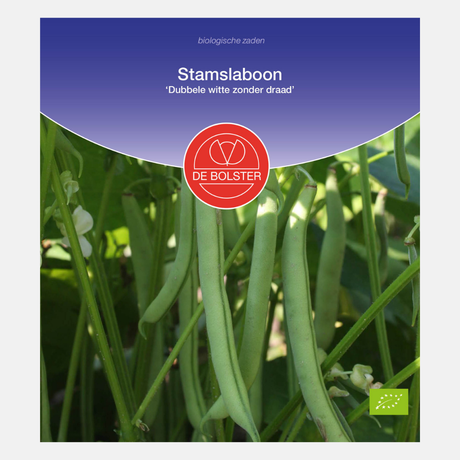
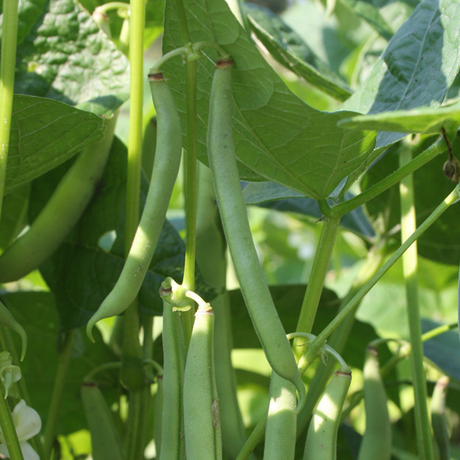
Runner bean 'Double white without thread' BIO
Regular price 4,81Unit priceUnavailable -
-
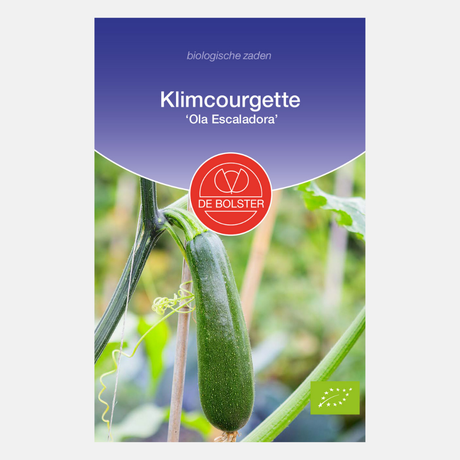
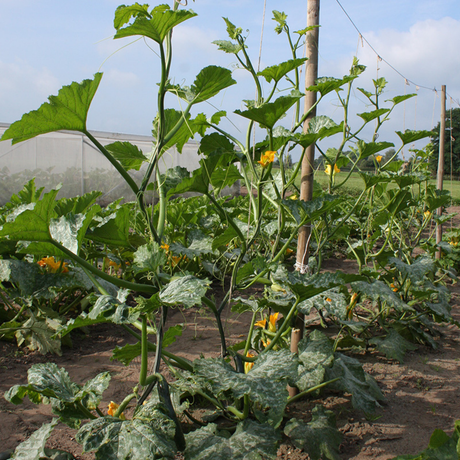
Climbing zucchini 'Ola Escaladora' BIO
Regular price 3,28Unit priceUnavailable -
-
Regular price 3,28Unit priceUnavailable
-
-
Regular price 3,07Unit priceUnavailable
-
-
Regular price 3,07Unit priceUnavailable
-
-
Regular price 3,28Unit priceUnavailable
-









From Cucumber Seeds to Salad: How to Grow Your Own Cucumbers
You know that feeling—you've planted your first cucumber and suddenly you're completely hooked on growing it yourself. It's so much fun, and you get so much in return! Whether you're just starting out or have been gardening for years, the whole process, from a tiny seed to a deliciously juicy cucumber in your own garden, is always special. With a little attention and the right approach, you can count on a beautiful harvest of fresh cucumbers—perfect for your salad, sandwich, or just plain eating.
The beauty of cucumbers is that they grow quite quickly, and you can enjoy your own homegrown fruits within a few months. By choosing good cucumber seeds, you're laying the foundation for healthy plants and a bountiful harvest. In this article, we'll guide you step by step through the entire process: from sowing your seeds to harvesting your cucumbers. This way, you'll know exactly what to do to get the most out of your cucumber plants, and you'll soon be able to enjoy the tastiest, homegrown cucumbers from your own patch of land.
Cucumber varieties: which one is right for your garden?
Cucumbers are not just one, but many species. Crossbreeding cucumbers and gherkins creates varieties with varying flavors, textures, and appearances. Cucumbers can be grown both horizontally and vertically, depending on available space and preference. Here are a few examples:
- Snack cucumbers : compact, quick to harvest, and ideal for snacking. There are also smaller and even smaller varieties that are perfect as a snack.
- Long, elongated cucumbers : classic variety for greenhouse cultivation, high yield.
- Mouse melon : small as a grape, but with a cucumber flavour — surprisingly delicious!
- Gherkin : a special variety, smaller in size, ideal for preserving.
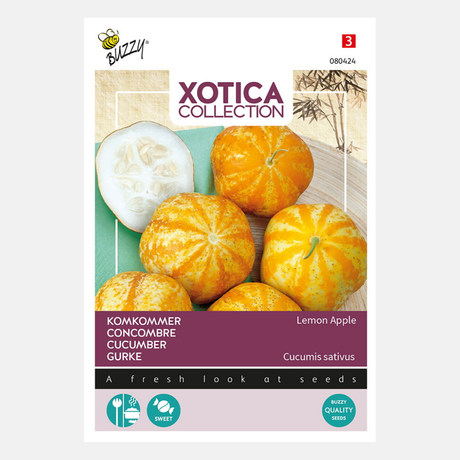
- Lemon cucumber : round in shape, ripens to a yellow color that resembles a lemon.
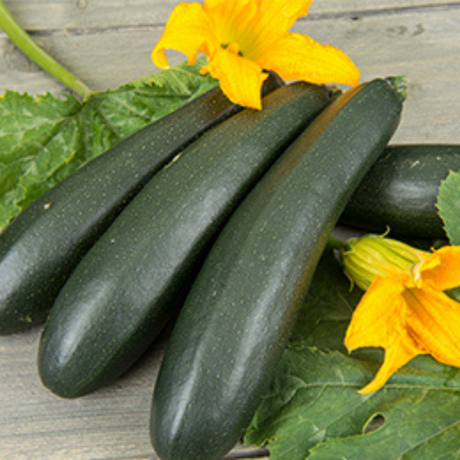
- Courgettes : related edible fruit, harvested young as a vegetable, similar in use to cucumber.
Many cucumber varieties have a dark green color, which makes them attractive for consumption.
In our selection, you'll find exactly which varieties are perfect for your situation: greenhouse, balcony, or open ground. Pay attention to growth rate, disease resistance, and flavor. Choose a sunny, sheltered, and warm spot for cucumbers, where they get at least 6 hours of sun per day to optimize growth.
Organic seeds and their benefits
Fancy growing cucumbers that aren't just delicious, but also good for you and the planet? Then organic seeds are truly your best friend. These seeds come from plants grown without any chemical fuss—no fertilizers, no sprays. So you get a pure and natural start to your cultivation. And the best part: you'll get fruits packed with flavor and vitamins. Perfect for your fresh salad, crunchy homemade pickles, or just plain eating (yes, we do that too).
The great thing about organic seeds is that they're naturally resilient to diseases and pests. Some organic varieties are even resistant to common diseases, making them easier to grow. This makes them ideal for growing outdoors in your garden, but they also thrive in a greenhouse or in pots on your patio. By choosing a robust variety from the wide range of organic cucumber seeds, you simply increase your chances of a bountiful harvest of healthy, long fruits. Don't worry, just choose what suits you.
Sowing organic cucumbers starts with good potting mix and planting the seeds at the correct depth. Once your seedlings emerge, you can easily transplant them to their final destination – whether that's in the ground, a greenhouse, or pots. Give them plenty of light, warmth, and water, and you'll see them grow like crazy and reward you with a bountiful harvest.
Whether you're looking for a handy snack cucumber, a nice long one for salads, or a variety perfect for pickling, there's an organic seed that perfectly suits your needs. Organic seeds are ideal for anyone who wants to grow cucumbers naturally. This way, you not only enjoy a healthy harvest from your own garden, but you also get a pleasant experience. With organic seeds, growing cucumbers is simply fun – from seed to salad! Prune the plant when it reaches a certain height to regulate its growth.
Cucumber plant care and growth
Cucumber plants are an important crop in the vegetable garden and require proper care for a good harvest. A cucumber plant primarily requires warmth, light, and nutrient-rich, moist soil. The plant has high nutritional needs during growth, so ensure regular fertilization. Fertilize with organic fertilizers, such as compost or well-rotted manure, to keep the plant healthy and increase yield. Water regularly at the roots, especially during warm spells, and keep the soil moist but not soaking wet. Check the cucumber plant regularly for diseases and pests such as powdery mildew or spider mites to address any problems promptly.
- Place it in a sunny spot
- Make sure the soil is airy and rich in humus
- Water regularly, but avoid allowing the leaves to remain wet
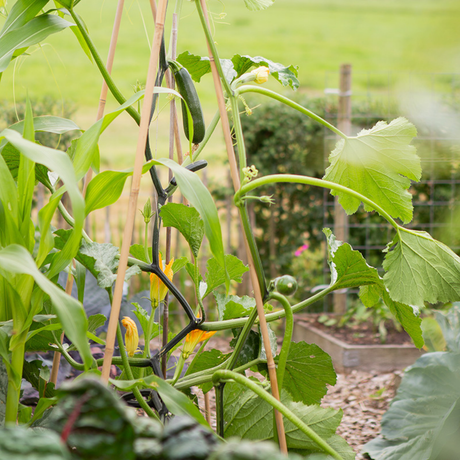
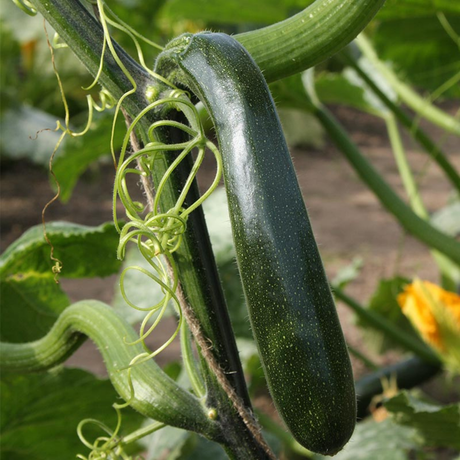
- Use a trellis or wire for climbing varieties; cucumber plants produce tendrils that climb upwards, so guide the tendrils along the trellis or wire for better growth and space-saving. Support is essential for producing long, straight fruits.
- Provide supplementary feeding (e.g. compost tea or organic fertilizer) to keep the yield going
- Grow young plants in pots first so they are strong enough before planting them outside
- Protect cucumber plants from rain, for example with a canopy, to prevent damage to the crop.
- Choose resistant and insensitive varieties to minimize disease and pest problems
- Cover the ground with black plastic to warm up the soil faster, which will promote planting in the open ground
- For pots, a larger pot (10-20 litres) and drainage material are recommended to give the roots sufficient space and drainage.
- In pots, additional feeding is often necessary after 8 weeks to support growth and yield.
Seedlings can be transplanted once they have at least two true leaves. Young plants can be planted out in the ground after the Ice Saints, when the risk of night frost has passed. Transplant young cucumbers outdoors in mid-May, after hardening them off, so they can better withstand outdoor conditions. Remove the first flowers to strengthen the cucumber plant.
You can often harvest your first cucumbers within 8 to 10 weeks of sowing. Harvest cucumbers regularly, especially in warm weather, to encourage the plant to produce more fruit.
Harvesting, using and storing
Cucumber fruit is best harvested when it is firm, green, and not too large; at this point, the fruit is optimally suitable for consumption. The flesh is then soft and juicy, while the skin is thin and usually edible, although some varieties have a tougher skin. There are varieties bred specifically for consumption, with tasty flesh, and varieties primarily used as ornamentals and less suitable for eating. Store harvested cucumbers in a cool, dark place to maintain freshness. Cucumbers are best eaten immediately after harvesting, but you can also use them in salads, pickle them, or even spoon them out when the flesh is ripe and tender. Some varieties can also be boiled or stir-fried. As the fruit ripens, the flesh softens; waiting too long to harvest can cause the taste to become bitter. After harvesting, you can dry the seeds and sow them later.
Tip: After cutting the cucumber, let it drain on paper towels — this way it will stay firmer in salads.
Why buy cucumber seeds from Plukkers?
At Plukkers, it's all about discovering, growing, and enjoying yourself. We select only high-quality seeds, and you'll receive clear tips for every stage—from sowing to harvesting. Our cucumber seeds are suitable for both beginning and experienced gardeners. Plukkers provides comprehensive information on flower formation, identifying the ovary in female flowers, and the importance of male flowers for successful fruit set. Female flowers are essential for cucumber plants, as only these can produce cucumbers.
Growing your own vegetables is relaxing, rewarding, and above all, incredibly delicious. So: choose your cucumber seeds from Plukkers, dig in, and soon you'll be reaping your own crunchy harvest. Enjoy!